
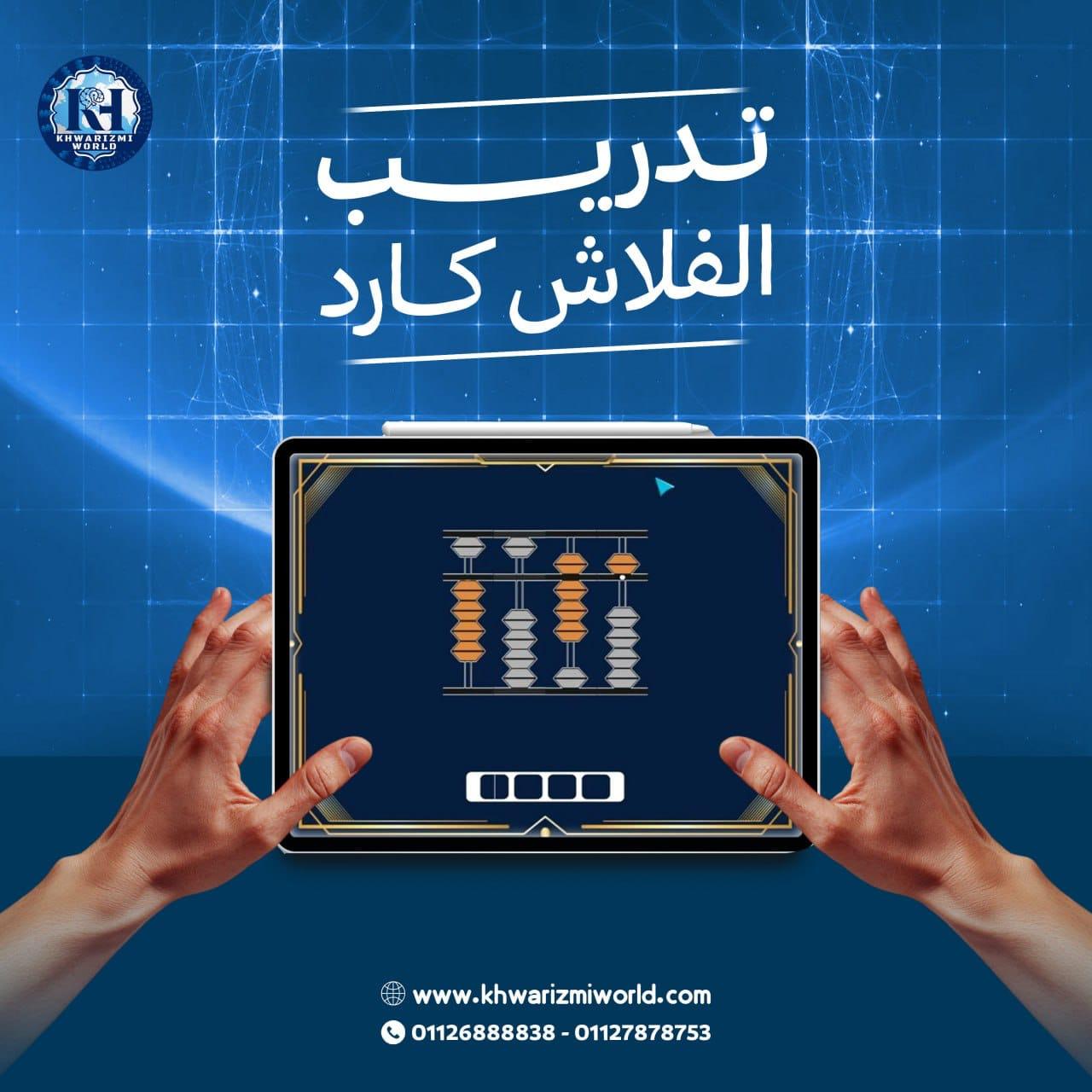
In the digital age, mental math competitions have evolved from traditional paper-based contests to sophisticated online platforms. A well-designed mental math competition dashboard serves as the central nervous system for organizing, managing, and executing these intellectual challenges. This comprehensive guide explores the essential features, benefits, and best practices for implementing an effective mental math competition dashboard.
A mental math competition dashboard is a centralized digital platform that facilitates the organization, execution, and monitoring of mental arithmetic contests. It provides administrators, participants, and judges with real-time access to competition data, performance metrics, and results. These dashboards have revolutionized how educational institutions, organizations, and mental math enthusiasts conduct competitions globally.
The cornerstone of any competition dashboard is its ability to track participant performance in real-time. This feature allows organizers to monitor progress as competitors solve problems, providing instant insights into who is leading and how participants are performing across different difficulty levels. Real-time tracking eliminates delays in result compilation and enhances the overall competition experience.
A successful dashboard must prioritize intuitive navigation and clean design. Participants should easily locate their assigned problems, submit answers, and view their scores without confusion. Administrators need straightforward access to management tools, while spectators appreciate clear leaderboards and statistics displays. The interface should be responsive across devices, ensuring accessibility on computers, tablets, and smartphones.
Effective participant management tools enable organizers to register competitors, assign them to appropriate skill levels, and organize them into teams or individual categories. The system should support bulk registration, automatic bracket creation, and easy modification of participant information. Integration with existing educational databases can streamline the registration process significantly.
Digital dashboards significantly reduce the potential for human error and bias in scoring. Automated answer checking ensures consistency and fairness, while timestamp recording prevents disputes about submission times. The system maintains detailed logs of all activities, creating a transparent audit trail that enhances trust in competition results.
Manual competition management is time-consuming and prone to errors. A digital dashboard automates numerous tasks including problem distribution, answer collection, score calculation, and result announcement. This automation allows organizers to focus on enhancing the competition experience rather than managing administrative details.
Modern dashboards provide powerful analytics tools that help organizers understand competition trends, identify challenging problems, and assess participant progress over time. These insights inform future competition design, help educators identify areas where students need additional support, and enable continuous improvement of the competition format.
Organizers need the ability to create, import, and organize mathematical problems across various difficulty levels. The dashboard should support different problem types including basic arithmetic, algebraic calculations, geometric problems, and advanced mental math challenges. Randomization features ensure each participant receives a unique yet equally challenging set of questions.
Different competitions require different formats. Some may be elimination-style tournaments, while others follow round-robin or time-trial formats. A versatile dashboard accommodates various competition structures, allowing organizers to customize rules, time limits, and scoring systems to match their specific requirements.
Integrated communication features enable organizers to send announcements, provide clarifications, and manage participant queries efficiently. Real-time notifications keep participants informed about competition status, upcoming rounds, and result announcements.
Robust security measures protect against cheating and unauthorized access. Features like screen monitoring, browser restrictions during competitions, and plagiarism detection maintain competition integrity. Secure authentication ensures only registered participants can access their designated competitions.
The dashboard must handle varying numbers of participants without performance degradation. Whether hosting a small school competition or a large international event, the system should maintain fast response times and reliable operation. Cloud-based solutions offer flexibility to scale resources based on demand.
Handling participant information requires strict adherence to data protection regulations. The dashboard should implement encryption for sensitive data, provide clear privacy policies, and give users control over their personal information. Compliance with standards like GDPR ensures legal protection for both organizers and participants.
Incorporating gamification features like achievement badges, progress bars, and milestone celebrations makes competitions more engaging. Visual rewards motivate participants and create memorable experiences that encourage continued participation in mental math activities.
Allowing parents, teachers, and supporters to view live competitions adds excitement and community engagement. Public leaderboards, streaming capabilities, and social sharing options transform competitions into spectator-friendly events that generate enthusiasm for mental math.
After competitions conclude, participants benefit from detailed performance reports showing their strengths, areas for improvement, and comparison with peers. These insights help students understand their progress and motivate continued skill development.
Artificial intelligence integration promises to revolutionize mental math competitions through adaptive difficulty adjustment, personalized training recommendations, and automated coaching. Virtual reality environments may soon create immersive competition experiences, while blockchain technology could provide tamper-proof result verification.
A well-designed mental math competition dashboard transforms how we conduct and experience mathematical contests. By combining robust functionality with user-friendly design, these platforms make competitions more accessible, fair, and engaging for all participants. As technology continues evolving, dashboards will play an increasingly vital role in nurturing mathematical talent and fostering enthusiasm for mental arithmetic worldwide.
Organizations investing in quality dashboard solutions position themselves at the forefront of educational innovation, creating opportunities for students to develop crucial mathematical skills in exciting, competitive environments.
© khwarizmi world. All Rights Reserved.