
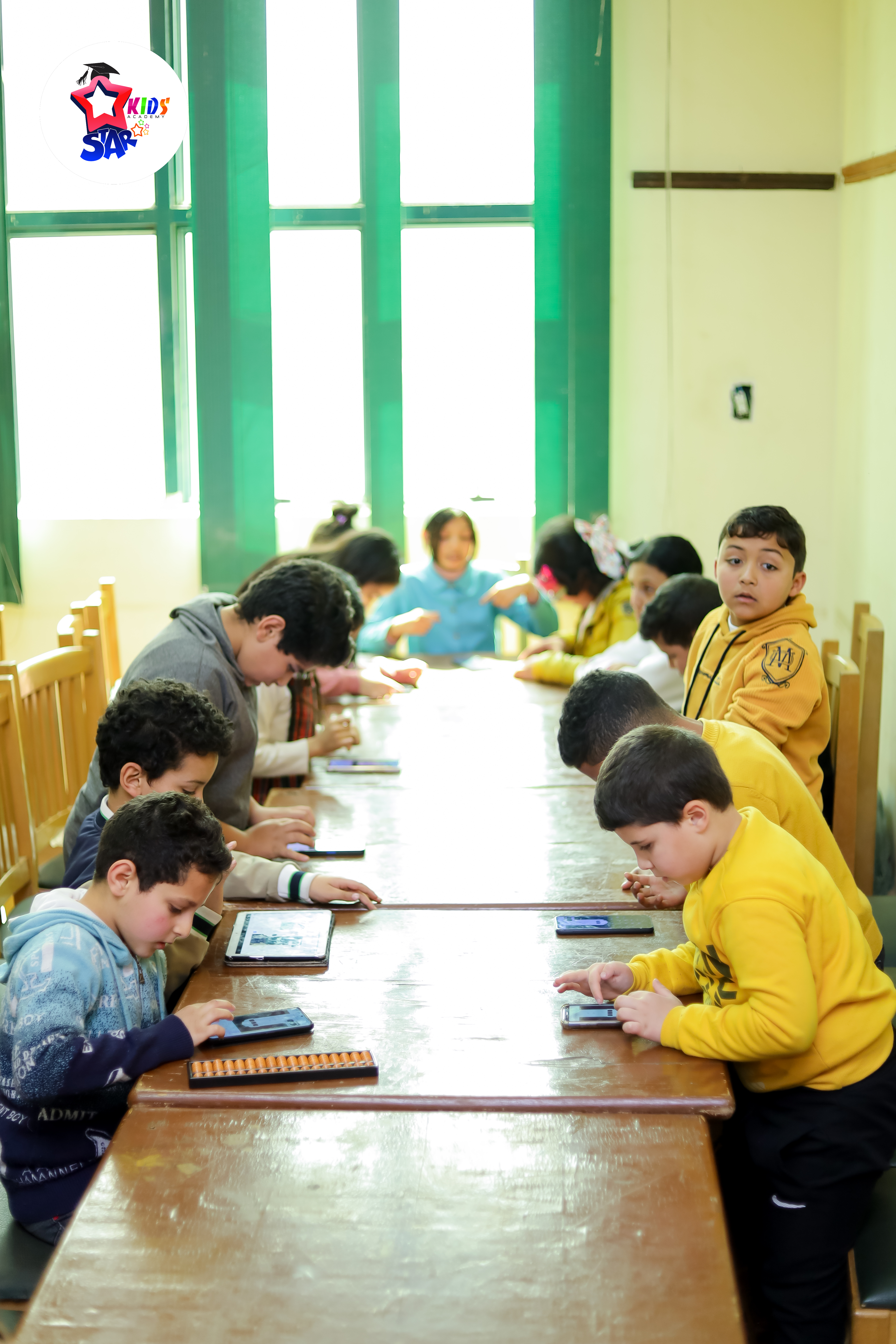
Star Kids Academy started with us through competitions, then moved on to the training and exams package. That order — competition first, training second — comes up often, and it is worth explaining because it helps any academy considering the same step.
A competition is a short, clearly-scored event. The academy tries the platform with a group of its students without changing its daily routine, and sees for itself how marking, ranking and certificates work. If the experience convinces them they move to daily use; if it does not, nothing in their system has been disturbed.
A competition is a single day; training is continuous work. On moving across, an academy gains:
The biggest gain is not the marking itself but the fairness. Paper marking is exhausting and fallible, and any error in it leaves a mark on the child and the parent. Once marking is automatic and every child's time is measured precisely, the conversation shifts from "is this result fair?" to "how do we improve performance?".
Begin with one group and one competition. Set the group's level carefully, generate the problems right before the date, and watch the results afterwards. That short cycle is enough to tell you whether the system fits the way you work, before you roll it out across the whole academy.
View Album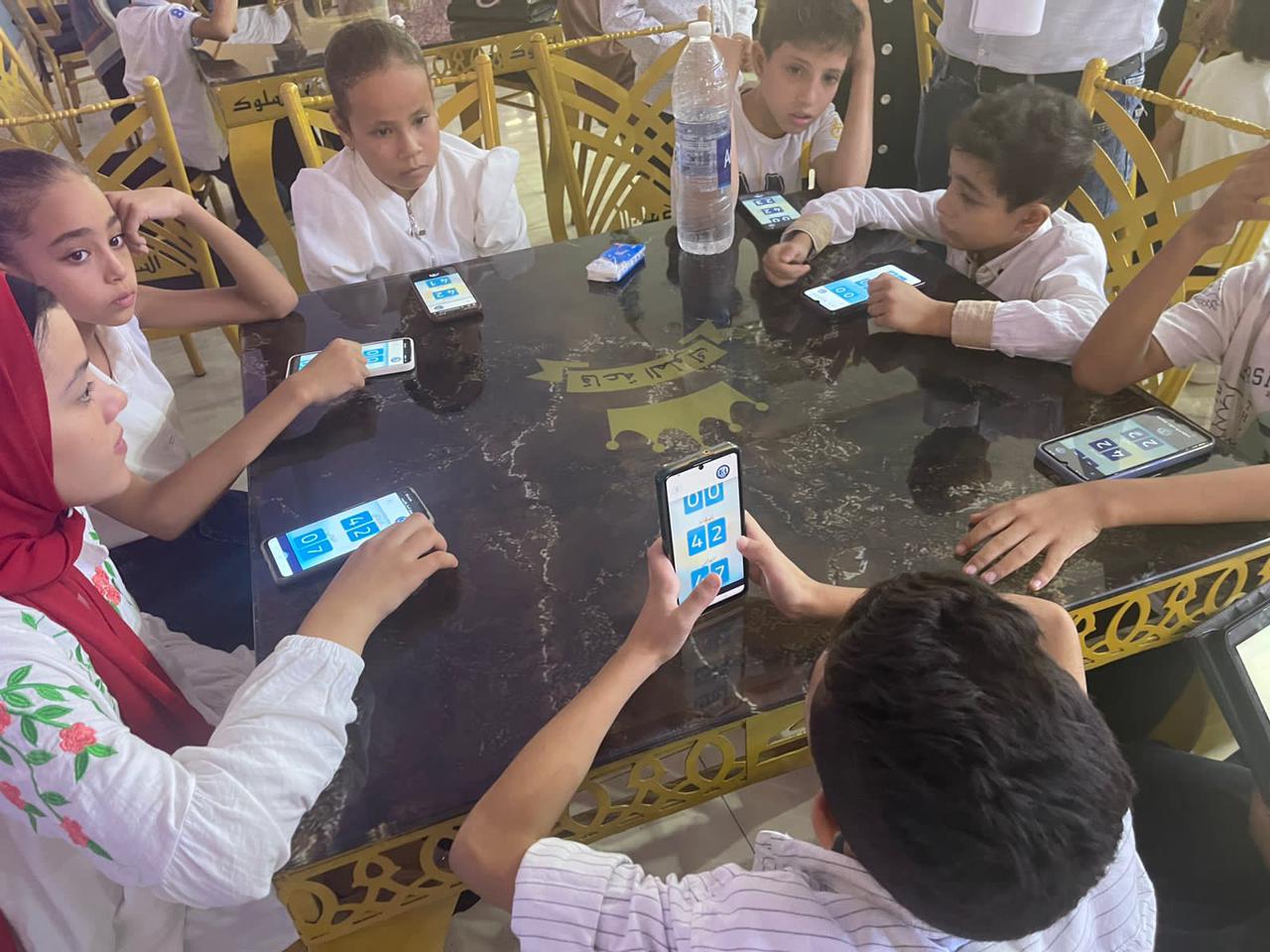
The Menoufia Governorate competition ran in person and online at the same time on the Khwarizmi World platform. The children in the hall and the children at home entered the same competition, with the same problems and the same criteria.
An in-person-only format excludes every child who cannot travel — distance, a family circumstance, or illness on the day. An online-only format loses the shared excitement and the joy of the awards ceremony. Combining the two keeps both advantages.
Trainers were spared the grind of marking — hours of work at the end of an already exhausting day. More importantly, they were spared the doubt: with paper marking, the possibility that some child was treated unfairly never entirely goes away, however careful you are. When the system marks, that worry disappears.
When results appear as soon as the competition ends, there is no long wait and no time lost to re-checking. That shortened the ceremony down to what actually deserves the time: handing out the prizes and celebrating the children.
Khwarizmi is a step change in the world of mental arithmetic.
View Album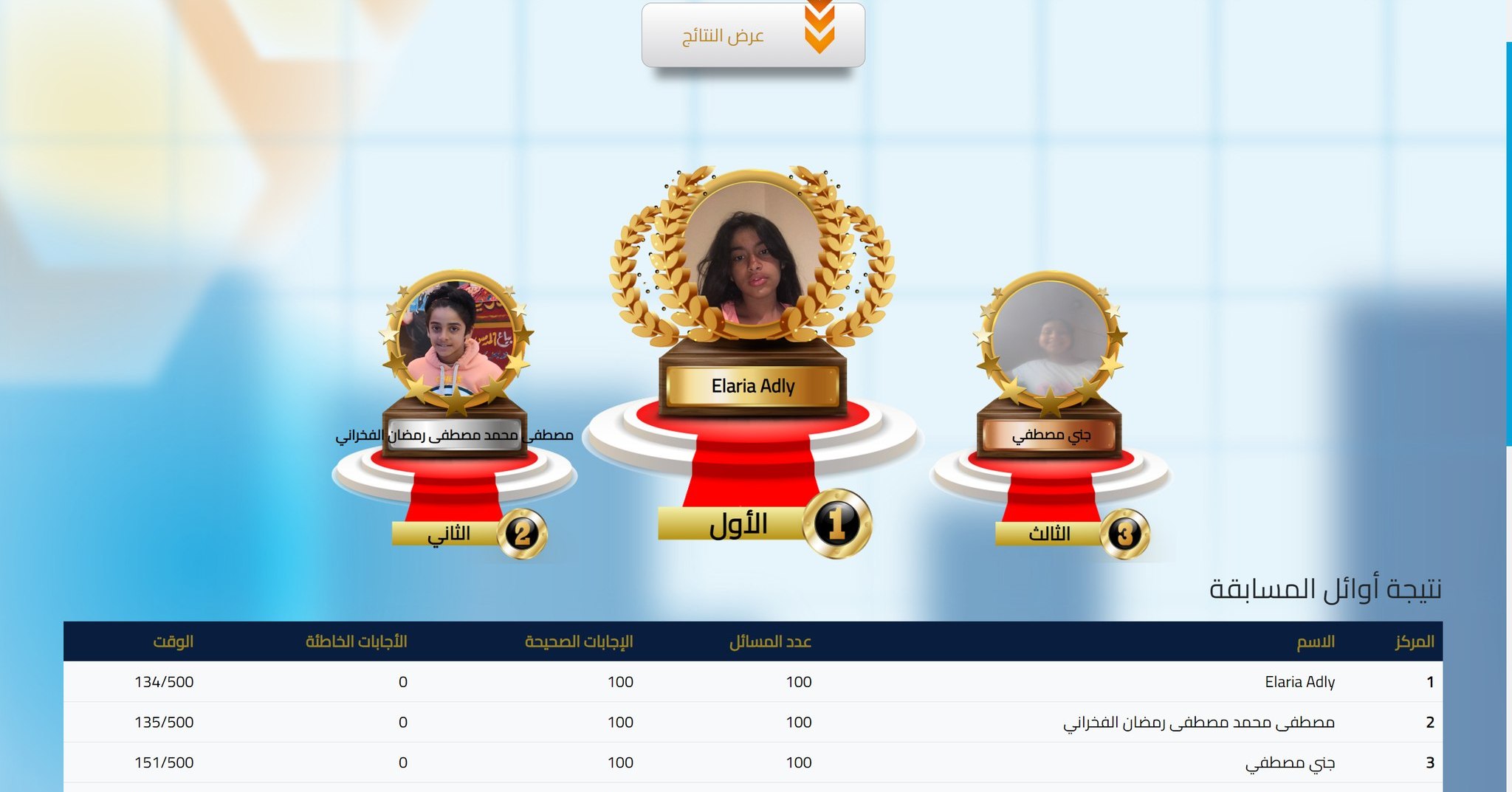
The Soroban Union's local competition was held on the Khwarizmi World platform. A union-level competition has different requirements from a single academy's event, and that difference is worth explaining.
In a single academy's competition the organiser knows the children and their levels. At union level the participants come from different bodies, each with its own teaching approach and its own names for its levels. Three points then become decisive:
Every group is defined by its level, and the platform generates the problems automatically according to that level, so nobody chooses them. Each group has its own time window and a set time per problem. Results and rankings appear as soon as each child finishes, and can be ordered by accuracy, time or age.
An organisation whose children do not win needs a convincing reason. When the criterion is declared and applied automatically to everyone, the result stops being a source of dispute and becomes a performance signal to build on next season.
View Album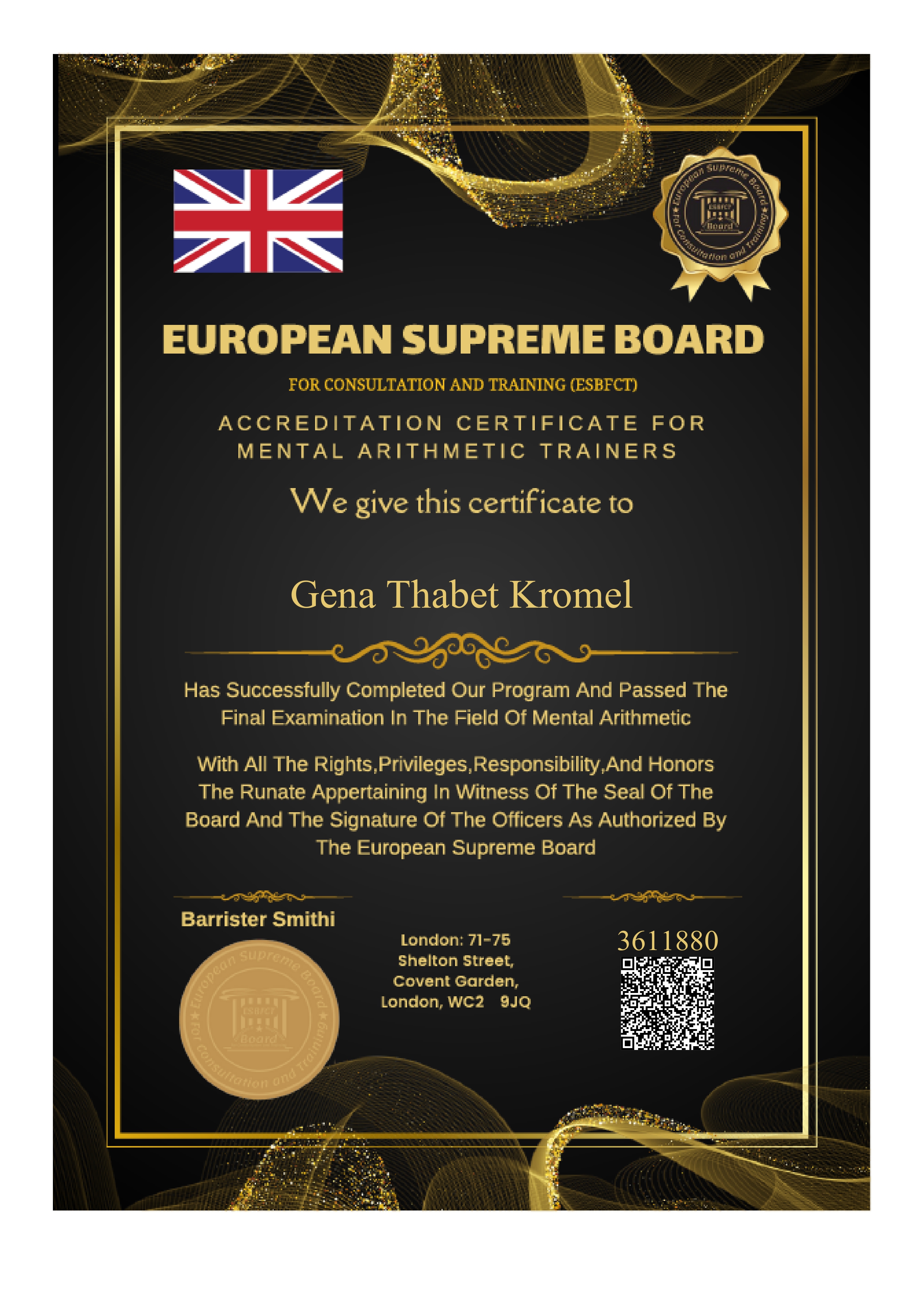
Certificates for trainers on the Khwarizmi World platform have been accredited by the European Supreme Board. "Accreditation" is a word used constantly in this field without its practical meaning being explained — which is what deserves clarifying here.
An unaccredited certificate proves that some organisation judged its holder qualified, and its value never exceeds how much people trust that organisation. An accredited certificate means a higher body reviewed the standards and endorsed them, so the certificate becomes meaningful outside the issuing body's own circle.
Competition certificates for children are a separate matter from trainer accreditation. They are issued from the platform in a design the trainer chooses, carrying the academy's logo, individually or as one bundled file for the whole group. Their value to a child lies in how quickly they arrive: a certificate handed over on competition day means many times more than one that arrives a week later.
Accreditation is not a stamp on a page; it is a shared language that makes a trainer's qualification legible beyond their immediate circle. That is exactly what anyone building a long-term mental arithmetic practice needs.
View Album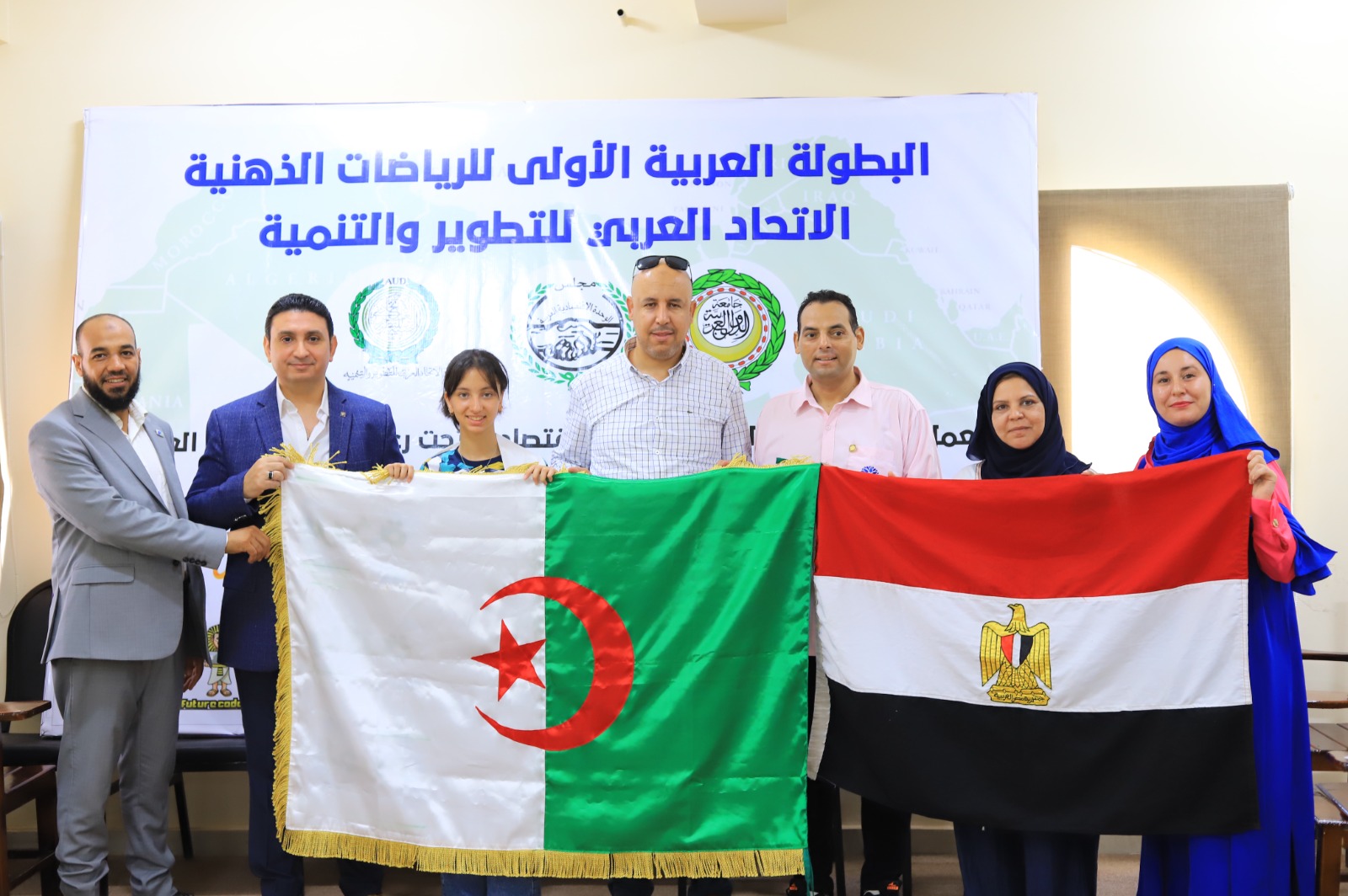
The Egypt–Algeria competition was held under the patronage of the Arab Union for Development, online on the Khwarizmi World platform and in person in Hurghada.
When children from two countries compete, challenges appear that a local event never faces:
Running the competition online alongside a live event in Hurghada combines breadth of participation with the atmosphere of the occasion. Children who could not travel took part in the same competition, with the same problems and the same criteria, while those present kept the full experience.
Results and rankings appear as soon as each child finishes, so organisers can move straight to the awards without waiting for marking. Certificates are issued from the platform carrying the organising body's logo, individually or as one bundled file.
A child who trains all year needs a moment to measure themselves against others. A cross-border competition widens that measure: the child is no longer comparing themselves with classmates in the same hall, but with peers in another country — and that raises the ceiling of ambition for the child and the trainer alike.
View Album
© khwarizmi world. All Rights Reserved.