
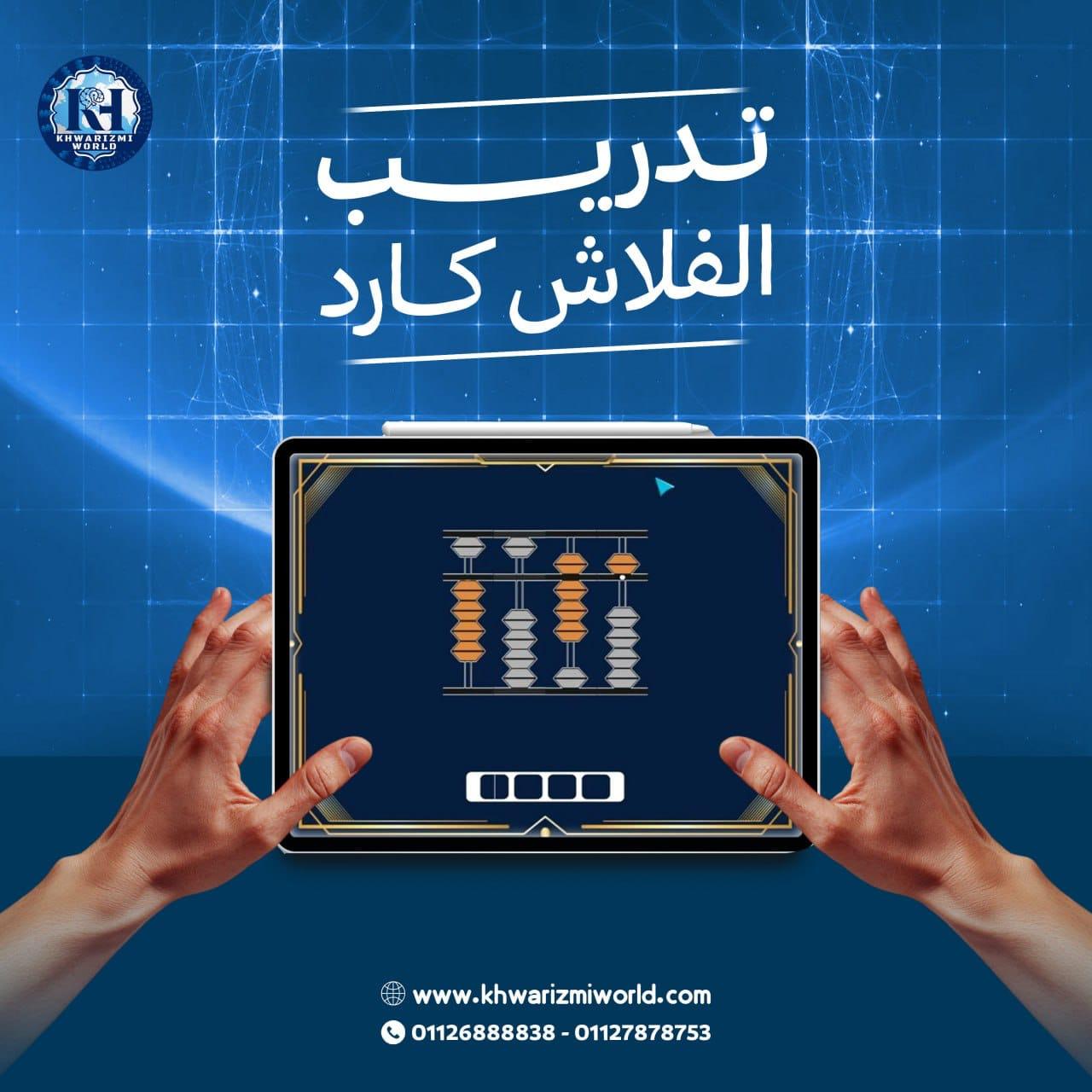
In the digital age, mental math competitions have evolved from traditional paper-based contests to sophisticated online platforms. A well-designed mental math competition dashboard serves as the central nervous system for organizing, managing, and executing these intellectual challenges. This comprehensive guide explores the essential features, benefits, and best practices for implementing an effective mental math competition dashboard.
A mental math competition dashboard is a centralized digital platform that facilitates the organization, execution, and monitoring of mental arithmetic contests. It provides administrators, participants, and judges with real-time access to competition data, performance metrics, and results. These dashboards have revolutionized how educational institutions, organizations, and mental math enthusiasts conduct competitions globally.
The cornerstone of any competition dashboard is its ability to track participant performance in real-time. This feature allows organizers to monitor progress as competitors solve problems, providing instant insights into who is leading and how participants are performing across different difficulty levels. Real-time tracking eliminates delays in result compilation and enhances the overall competition experience.
A successful dashboard must prioritize intuitive navigation and clean design. Participants should easily locate their assigned problems, submit answers, and view their scores without confusion. Administrators need straightforward access to management tools, while spectators appreciate clear leaderboards and statistics displays. The interface should be responsive across devices, ensuring accessibility on computers, tablets, and smartphones.
Effective participant management tools enable organizers to register competitors, assign them to appropriate skill levels, and organize them into teams or individual categories. The system should support bulk registration, automatic bracket creation, and easy modification of participant information. Integration with existing educational databases can streamline the registration process significantly.
Digital dashboards significantly reduce the potential for human error and bias in scoring. Automated answer checking ensures consistency and fairness, while timestamp recording prevents disputes about submission times. The system maintains detailed logs of all activities, creating a transparent audit trail that enhances trust in competition results.
Manual competition management is time-consuming and prone to errors. A digital dashboard automates numerous tasks including problem distribution, answer collection, score calculation, and result announcement. This automation allows organizers to focus on enhancing the competition experience rather than managing administrative details.
Modern dashboards provide powerful analytics tools that help organizers understand competition trends, identify challenging problems, and assess participant progress over time. These insights inform future competition design, help educators identify areas where students need additional support, and enable continuous improvement of the competition format.
Organizers need the ability to create, import, and organize mathematical problems across various difficulty levels. The dashboard should support different problem types including basic arithmetic, algebraic calculations, geometric problems, and advanced mental math challenges. Randomization features ensure each participant receives a unique yet equally challenging set of questions.
Different competitions require different formats. Some may be elimination-style tournaments, while others follow round-robin or time-trial formats. A versatile dashboard accommodates various competition structures, allowing organizers to customize rules, time limits, and scoring systems to match their specific requirements.
Integrated communication features enable organizers to send announcements, provide clarifications, and manage participant queries efficiently. Real-time notifications keep participants informed about competition status, upcoming rounds, and result announcements.
Robust security measures protect against cheating and unauthorized access. Features like screen monitoring, browser restrictions during competitions, and plagiarism detection maintain competition integrity. Secure authentication ensures only registered participants can access their designated competitions.
The dashboard must handle varying numbers of participants without performance degradation. Whether hosting a small school competition or a large international event, the system should maintain fast response times and reliable operation. Cloud-based solutions offer flexibility to scale resources based on demand.
Handling participant information requires strict adherence to data protection regulations. The dashboard should implement encryption for sensitive data, provide clear privacy policies, and give users control over their personal information. Compliance with standards like GDPR ensures legal protection for both organizers and participants.
Incorporating gamification features like achievement badges, progress bars, and milestone celebrations makes competitions more engaging. Visual rewards motivate participants and create memorable experiences that encourage continued participation in mental math activities.
Allowing parents, teachers, and supporters to view live competitions adds excitement and community engagement. Public leaderboards, streaming capabilities, and social sharing options transform competitions into spectator-friendly events that generate enthusiasm for mental math.
After competitions conclude, participants benefit from detailed performance reports showing their strengths, areas for improvement, and comparison with peers. These insights help students understand their progress and motivate continued skill development.
Artificial intelligence integration promises to revolutionize mental math competitions through adaptive difficulty adjustment, personalized training recommendations, and automated coaching. Virtual reality environments may soon create immersive competition experiences, while blockchain technology could provide tamper-proof result verification.
A well-designed mental math competition dashboard transforms how we conduct and experience mathematical contests. By combining robust functionality with user-friendly design, these platforms make competitions more accessible, fair, and engaging for all participants. As technology continues evolving, dashboards will play an increasingly vital role in nurturing mathematical talent and fostering enthusiasm for mental arithmetic worldwide.
Organizations investing in quality dashboard solutions position themselves at the forefront of educational innovation, creating opportunities for students to develop crucial mathematical skills in exciting, competitive environments.
View Album

In today's fast-paced digital world, the ability to perform mental calculations quickly and accurately has become more valuable than ever. Whether you're a student preparing for exams, a professional making quick business decisions, or a parent helping your children with homework, mental math skills can give you a significant competitive advantage. This comprehensive guide explores everything you need to know about online mental math training, including the best techniques, platforms, and strategies to develop lightning-fast calculation abilities.
Mental math refers to the practice of performing mathematical calculations in your head without using calculators, paper, or other aids. This cognitive skill involves using specific techniques and strategies to manipulate numbers mentally, leading to faster problem-solving and improved numerical fluency.
The importance of mental math extends far beyond the classroom. Research shows that strong mental calculation skills enhance overall cognitive function, improve memory, boost confidence, and develop critical thinking abilities. In professional settings, being able to quickly estimate costs, calculate percentages, or analyze data without reaching for a calculator demonstrates competence and sharp thinking.
Traditional methods of learning mental math often involved repetitive drills with flashcards or workbooks. While effective, these approaches lacked engagement and personalization. The digital revolution has transformed mental math training, making it more accessible, interactive, and effective than ever before.
Online mental math training platforms leverage technology to create adaptive learning experiences that adjust to individual skill levels. These platforms use gamification, immediate feedback, progress tracking, and personalized learning paths to keep learners motivated and engaged. The convenience of training anytime, anywhere on smartphones, tablets, or computers has made consistent practice easier to maintain.
Regular mental math practice strengthens neural pathways in the brain, particularly in areas responsible for working memory, attention, and processing speed. Studies indicate that individuals who practice mental calculations regularly show improved performance in various cognitive tasks beyond mathematics.
Students who develop strong mental math skills typically perform better in mathematics courses and standardized tests. The ability to quickly verify answers, estimate results, and understand numerical relationships provides a solid foundation for advanced mathematical concepts.
In business environments, professionals who can rapidly calculate percentages, analyze profit margins, or estimate project costs without tools are often perceived as more competent and reliable. This skill is particularly valuable in finance, engineering, retail, and entrepreneurship.
From calculating tips at restaurants to comparing prices while shopping, mental math makes everyday tasks smoother and faster. It reduces dependency on technology and builds self-reliance in numerical situations.
As mental math abilities improve, learners experience increased confidence not only in mathematics but in their overall problem-solving capabilities. This confidence often transfers to other areas of academic and professional life.
Before diving into specific techniques, developing strong number sense is crucial. This involves understanding number relationships, recognizing patterns, and feeling comfortable manipulating numbers. Online training programs typically begin by strengthening this fundamental skill through interactive exercises.
Left-to-Right Calculation: Unlike traditional right-to-left methods, mental math often works better from left to right. For example, when adding 347 + 256, think "300 + 200 = 500, then 40 + 50 = 90, then 7 + 6 = 13, total 603."
Compensation Method: Round numbers to make calculations easier, then adjust. To calculate 298 + 347, think "300 + 347 = 647, minus 2 = 645."
Breaking Numbers Apart: Decompose numbers into friendlier components. For 87 - 39, think "87 - 40 = 47, plus 1 = 48."
The Distributive Property: Break larger numbers into smaller parts. For 23 × 4, calculate (20 × 4) + (3 × 4) = 80 + 12 = 92.
Doubling and Halving: To multiply by 5, multiply by 10 and halve. For 36 × 5, calculate 36 × 10 = 360, then 360 ÷ 2 = 180.
Special Patterns: Learn shortcuts for common multiplications. Squaring numbers ending in 5: 35² = (3 × 4) followed by 25 = 1225.
Factoring: Break the divisor into smaller factors. To divide 144 by 12, recognize that 12 = 3 × 4, so divide 144 by 3 = 48, then 48 by 4 = 12.
Estimation First: Approximate the answer before calculating precisely. This helps verify your final result and improves number sense.
Understanding that percentages are fractions of 100 makes mental calculations easier. To find 15% of 80, calculate 10% (8) plus 5% (half of 10%, which is 4) = 12.
Modern apps combine game-like elements with structured learning paths. Features typically include timed challenges, progressive difficulty levels, daily practice reminders, achievement badges and rewards, and detailed performance analytics.
The best platforms use artificial intelligence to adapt to your skill level, identifying weak areas and providing targeted practice. This personalized approach ensures you're always working at the optimal difficulty level for maximum growth.
Comprehensive online courses offer structured curricula with video lessons, practice exercises, and expert instruction. These work well for learners who prefer systematic, guided learning experiences.
Many platforms include social features allowing learners to compete with friends, join global leaderboards, or participate in timed competitions. This social element adds motivation and makes practice more engaging.
Begin by identifying specific objectives. Are you preparing for a math competition, improving general calculation speed, supporting academic performance, or enhancing professional skills? Clear goals help structure your practice effectively.
Consistency matters more than duration. Research suggests that 15-20 minutes of focused daily practice produces better results than occasional longer sessions. Online platforms make it easy to maintain this consistency through mobile access and reminder systems.
Start with comfortable challenges and gradually increase difficulty. Most online programs automatically adjust, but being aware of this principle helps you track meaningful progress.
Mix different types of calculations to develop well-rounded skills. Alternate between addition, subtraction, multiplication, division, and real-world problem-solving scenarios.
Use built-in tests and challenges to measure progress. Many platforms provide detailed analytics showing improvement over time, which helps maintain motivation.
Many mental math experts recommend visualizing numbers or using mental images to track calculations. Some learners imagine an abacus, while others visualize written numbers or use spatial techniques.
Break complex calculations into manageable chunks. This reduces cognitive load and makes difficult problems more approachable.
Train yourself to recognize numerical patterns quickly. This skill dramatically increases calculation speed for common number combinations.
Use memory aids for difficult concepts or formulas. Online platforms often incorporate these systematically into their teaching methods.
Teaching concepts to others or explaining your calculation process strengthens understanding. Some online platforms include community forums where learners can share strategies.
Many beginners feel overwhelmed when starting mental math training. This is normal and temporary. Online platforms help by starting with appropriate difficulty levels and providing immediate positive feedback.
Progress plateaus can reduce motivation. Combat this by setting short-term goals, celebrating small victories, using competitive features, trying new challenge types, and remembering your original objectives.
Initially, focus on accuracy over speed. As correct technique becomes automatic, speed naturally increases. Most online platforms track both metrics separately.
Practice applying mental math to everyday situations. Calculate tips mentally, estimate grocery totals, or work out discounts while shopping. This reinforces skills and demonstrates practical value.
Young learners benefit most from game-based approaches that make practice feel like play. Online platforms designed for children typically include colorful graphics, engaging characters, age-appropriate challenges, and reward systems that maintain interest.
Adult learners often prefer efficient, practical training focused on real-world applications. The best adult-oriented platforms emphasize business calculations, time efficiency, and flexible scheduling.
Mental math training provides excellent cognitive exercise for older adults. Research indicates that regular numerical practice helps maintain mental sharpness and may even slow cognitive decline.
The brain's ability to form new neural connections throughout life means mental math skills can improve at any age. Regular practice literally rewires the brain for better numerical processing.
Mental calculations exercise working memory—the cognitive system responsible for temporarily holding and manipulating information. Stronger working memory benefits many cognitive tasks beyond mathematics.
Consistent mental math practice increases the speed at which your brain processes numerical information, leading to faster decision-making in various contexts.
This ancient Indian system offers powerful shortcuts for complex calculations. Many online platforms incorporate Vedic techniques into their advanced lessons.
Developed by Jakow Trachtenberg, this system provides unique methods for rapid calculation that differ from traditional approaches.
Advanced mental math includes determining the day of the week for any date—a impressive skill that online programs can teach systematically.
Track multiple metrics including calculation accuracy, average solution time, complexity of problems solved, and consistency of practice. Most online platforms provide comprehensive dashboards visualizing these metrics.
Create specific achievement targets: mastering times tables, calculating three-digit additions mentally, solving 20 problems in 5 minutes, or improving speed by 50%. Online platforms often set these automatically through their progression systems.
Regular formal testing helps gauge true progress. Many programs include monthly assessments or certification tests that provide official recognition of skill levels.
Emerging technologies promise even more effective training methods. Artificial intelligence will provide increasingly personalized learning experiences, virtual reality may create immersive mathematical environments, adaptive algorithms will optimize practice efficiency, and social learning features will enhance motivation and engagement.
Online mental math training represents a powerful tool for developing one of life's most practical cognitive skills. Whether you're seeking academic improvement, professional advantages, cognitive enhancement, or simply the satisfaction of mastering quick calculations, today's online platforms provide unprecedented access to effective training methods.
The key to success lies in consistent practice, using proven techniques, leveraging quality online resources, maintaining patience during the learning process, and applying skills to real-world situations. With dedication and the right online training platform, anyone can develop impressive mental calculation abilities that provide lifelong benefits.
Start your mental math journey today by exploring reputable online training platforms, setting clear and achievable goals, committing to daily practice, tracking your progress systematically, and celebrating improvements along the way. The cognitive benefits, practical advantages, and personal satisfaction that come from mastering mental math make it an investment that pays dividends throughout your entire life.
Remember, every expert calculator started as a beginner. The difference between them and others is simply consistent, focused practice. With today's excellent online mental math training resources, that practice has never been more accessible, engaging, or effective. Your journey to mental math mastery begins with a single calculation—take that first step today.
View Album
In the rapidly evolving educational landscape, mental math training has emerged as one of the most sought-after skills for students across Saudi Arabia and the broader Arab world. As a mental math instructor, having a comprehensive, well-structured system is not just an advantage—it's essential for delivering transformative results and building a thriving teaching practice. This comprehensive guide explores everything you need to know about creating, implementing, and managing an effective mental math training system that produces outstanding student outcomes while establishing your reputation as a leading educator.
A mental math instructor system is a comprehensive framework that encompasses curriculum design, teaching methodologies, student assessment protocols, progress tracking mechanisms, and business management tools. Unlike traditional teaching approaches that rely heavily on improvisation, a systematic approach ensures consistency, scalability, and measurable results across all students regardless of their starting skill levels.
The most successful mental math instructors recognize that their role extends beyond simply teaching calculation techniques. They function as educational architects, designing learning experiences that build confidence, enhance cognitive abilities, and instill a lifelong love for numerical problem-solving. A robust system provides the structure needed to achieve these ambitious goals consistently.
The foundation of any successful mental math training system is a carefully designed curriculum that progresses logically from fundamental concepts to advanced techniques. Your curriculum should be divided into clear levels or modules, each with specific learning objectives and measurable outcomes.
Level One: Foundation Building focuses on developing number sense, understanding place value, mastering basic addition and subtraction strategies, and building mental stamina for calculations. Students at this level should spend approximately 8-12 weeks developing these core competencies through daily practice and interactive exercises.
Level Two: Multiplication and Division Mastery introduces systematic approaches to multi-digit multiplication, division strategies and shortcuts, percentage calculations, and fraction manipulation. This intermediate stage typically requires 10-14 weeks of focused training, with students gradually increasing calculation speed while maintaining accuracy.
Level Three: Advanced Techniques covers Vedic mathematics principles, the Trachtenberg system, calendar calculations, algebraic thinking, and complex problem-solving strategies. Advanced students spend 12-16 weeks mastering these sophisticated techniques that set them apart in academic and competitive settings.
Accurate initial assessment is crucial for placing students at appropriate starting levels. Your system should include comprehensive diagnostic tests that evaluate calculation speed, accuracy rates, number sense, working memory capacity, and problem-solving approaches.
Regular progress assessments every 4-6 weeks help track improvement, identify struggling areas, adjust teaching strategies, maintain student motivation, and provide concrete evidence of growth to parents and students. These assessments should combine timed calculations, problem-solving scenarios, oral examinations, and practical application tests.
Effective mental math instruction requires diverse teaching approaches that accommodate different learning styles. Your system should incorporate visual learning through diagrams, charts, and mental imagery techniques; auditory learning via verbal explanations, rhythm-based memorization, and group recitation; kinesthetic learning through physical manipulation of objects, gesture-based calculation methods, and interactive games; and logical-mathematical approaches using pattern recognition, systematic problem-solving, and analytical thinking.
The most successful instructors blend these approaches, adapting their teaching style to meet individual student needs while maintaining overall program consistency.
Comprehensive record-keeping separates professional training systems from casual tutoring. Your documentation should track calculation speed improvements, accuracy percentages, topics mastered, practice consistency, attitude and engagement levels, and parent communication history.
Modern mental math instructors increasingly rely on digital platforms and custom spreadsheets to maintain these records efficiently. This data becomes invaluable for demonstrating program effectiveness, adjusting individual learning plans, and identifying systematic improvements needed in your curriculum.
Whether you teach in person, online, or through a hybrid model, creating an optimal learning environment significantly impacts student outcomes. Physical classrooms should feature minimal distractions, adequate lighting, comfortable seating arrangements, visual aids and reference materials, and dedicated practice zones.
For online instruction, invest in reliable video conferencing platforms, digital whiteboard tools, screen sharing capabilities, interactive quiz applications, and cloud-based progress tracking systems. The seamless integration of these tools creates a professional, engaging learning experience that rivals in-person instruction.
A complete training system requires carefully selected resources including workbooks and practice sheets tailored to each level, flashcard sets for drilling fundamental operations, timer tools for speed practice, visual aids demonstrating calculation strategies, reference guides for students and parents, and competition preparation materials.
Many successful instructors develop proprietary materials that reflect their unique teaching philosophy and proven techniques. This intellectual property becomes a valuable asset that differentiates your program from competitors.
Effective mental math training requires consistent practice over extended periods. Your system should define clear class duration (typically 60-90 minutes), weekly frequency (2-3 sessions recommended), homework expectations (15-30 minutes daily), assessment schedules, and program duration for each level.
Flexibility within this structure accommodates student needs while maintaining the consistency necessary for skill development. Many instructors offer intensive programs during school breaks alongside regular term-time classes.
This proven instructional framework moves students from dependence to independence through four phases. Explicit Instruction begins with the instructor demonstrating techniques, explaining reasoning processes, highlighting common pitfalls, and modeling problem-solving approaches.
Guided Practice follows, where students attempt calculations with immediate instructor support, errors are corrected in real-time, alternative strategies are explored, and confidence is built through success. Collaborative Practice then has students work in pairs or small groups, explain techniques to peers, learn from each other's approaches, and develop communication skills.
Finally, Independent Practice allows students to solve problems without assistance, apply learned techniques flexibly, develop personal calculation preferences, and build authentic mastery.
Not all students progress at identical rates, and your system must accommodate this reality. Implement differentiation through tiered assignments that challenge advanced students while supporting struggling learners, flexible pacing allowing faster progression for quick learners, enrichment activities for students who master concepts quickly, remedial support for those needing additional help, and individualized goal-setting that recognizes unique starting points.
This personalized approach, supported by your tracking system, ensures every student experiences appropriate challenge and achievable success.
Maintaining student enthusiasm throughout multi-month training programs requires intentional motivational strategies. Effective approaches include gamification elements like points, badges, and leaderboards; regular mini-competitions within classes; public recognition of achievements; progress visualization showing improvement over time; real-world application examples; and intrinsic motivation development through mastery experiences.
The most successful instructors balance external rewards with cultivating genuine interest in mathematical thinking and the satisfaction of mental challenge.
Contemporary mental math instruction increasingly leverages technology to enhance traditional teaching methods. Consider implementing learning management systems (LMS) for homework distribution and submission, progress dashboards for students and parents, communication tools, and resource libraries.
Specialized mental math applications provide automated practice, adaptive difficulty adjustment, instant feedback, detailed performance analytics, and engaging game-based learning. Integrate these tools thoughtfully, ensuring technology enhances rather than replaces human instruction.
For instructors operating partially or fully online, robust technical infrastructure is essential. This includes high-quality webcams and microphones, reliable high-speed internet, backup power solutions, digital whiteboard software, screen recording capabilities for creating tutorials, and secure payment processing systems.
Technical proficiency in these tools allows you to focus on teaching rather than troubleshooting, creating seamless learning experiences for students.
Advanced training systems utilize data analytics to inform instructional decisions. Track class-wide trends in specific topics, individual student trajectory, optimal practice duration and frequency, correlation between practice consistency and improvement, and effectiveness of different teaching techniques.
This data-driven approach transforms teaching from art to science, allowing continuous refinement of your system based on concrete evidence rather than intuition alone.
Successful mental math training businesses clearly define their ideal students. Consider factors such as age ranges you teach most effectively, academic levels from struggling students to gifted learners, geographic location for in-person classes, socioeconomic factors affecting pricing, and student motivations including competition preparation, academic support, or cognitive development.
This clarity informs all marketing efforts, ensuring messages resonate with prospective families.
Establish yourself as a mental math authority through maintaining an informative website, actively engaging on social media platforms, publishing helpful content like videos and articles, collecting and showcasing student testimonials, documenting success stories and competition results, and participating in educational community events.
Your brand should communicate expertise, professionalism, and genuine care for student development. Consistency across all touchpoints builds trust with prospective families.
First impressions significantly impact student retention. Develop a smooth enrollment process including inquiry response protocols, trial class procedures, clear program explanations, transparent pricing and policies, simple registration processes, and welcoming onboarding experiences.
New families should feel confident they've made an excellent educational investment from their very first interaction with your program.
Determining appropriate pricing requires balancing market rates, your experience and credentials, program comprehensiveness, class size, individual versus group instruction, materials included, and geographic economic factors.
Research competitor pricing while recognizing that superior systems and demonstrated results justify premium positioning. Consider offering package discounts for multiple sessions purchased upfront to improve cash flow and commitment.
Professional training operations require sound financial practices including income and expense tracking, tax compliance, profit margin analysis, reinvestment planning, emergency fund maintenance, and retirement planning.
Even instructors passionate about education must treat their practice as a legitimate business to ensure long-term sustainability and personal financial security.
Protect your training practice through appropriate business registration, liability insurance, clear contracts and policies, intellectual property protection for proprietary materials, data privacy compliance, and safe child protection protocols.
Consulting with legal and financial professionals ensures you've addressed all regulatory requirements in your jurisdiction.
The most effective instructors commit to ongoing professional development through studying advanced calculation techniques, learning about cognitive science and educational psychology, exploring new teaching technologies, attending educational conferences and workshops, joining professional instructor networks, and staying current with competition trends and requirements.
This commitment to growth ensures your system remains cutting-edge and your teaching continues improving year over year.
Connect with fellow mental math instructors to share experiences, exchange techniques, discuss challenging cases, collaborate on materials development, and support each other's businesses.
Whether through formal organizations or informal networks, community connection combats the isolation many independent instructors experience and accelerates professional growth.
Evaluate your training system's success through multiple metrics including student calculation speed improvement, accuracy rate increases, percentage of students achieving level completion, competition performance results, student and parent satisfaction ratings, retention rates from term to term, referral rates from satisfied families, and business profitability and growth.
Regular review of these indicators highlights system strengths and reveals improvement opportunities.
The best training systems evolve continuously based on results data, student feedback, parent input, personal teaching observations, educational research findings, and competitive landscape changes.
Schedule quarterly system reviews to implement refinements, ensuring your program remains effective and relevant as educational needs and competitive dynamics shift.
As your reputation grows, consider expansion options such as hiring and training additional instructors, opening multiple location branches, franchising your system to other instructors, creating online course versions, developing digital products and resources, or establishing train-the-trainer programs.
Each growth strategy requires careful planning, systematization of your methods, and often significant capital investment. Ensure your core program achieves excellence before pursuing aggressive expansion.
Scaling challenges include maintaining instructional consistency across multiple instructors, preserving personalized attention as student numbers grow, sustaining program quality amid rapid expansion, and protecting the reputation that drove initial success.
Comprehensive instructor training programs, detailed teaching manuals, regular quality audits, and maintaining reasonable growth pacing help navigate these challenges successfully.
Building a comprehensive mental math training system requires significant effort, thoughtful planning, and ongoing refinement. However, the rewards—transformed student lives, professional fulfillment, and business success—make this investment worthwhile.
The most successful mental math instructors recognize that systematic approaches don't limit creativity or personalization; rather, they provide the foundation enabling consistent excellence while accommodating individual student needs. Your system should reflect your unique teaching philosophy and strengths while incorporating proven pedagogical principles and business practices.
Start building your system by documenting current teaching practices, identifying gaps and inconsistencies, researching best practices and techniques, developing standardized materials and procedures, implementing tracking and assessment protocols, and continuously measuring results and refining approaches.
Remember that system development is an ongoing process, not a one-time project. As you gain experience, student needs evolve, and educational research advances, your system should adapt accordingly. The instructors who thrive long-term are those who balance structure with flexibility, consistency with innovation, and proven methods with experimental approaches.
Your mental math training system is ultimately about creating reliable pathways for student success. When students consistently achieve impressive results, develop genuine mathematical confidence, and carry these skills throughout their lives, you've built something truly valuable—a system that changes lives through the power of mental calculation mastery.
Invest in developing your comprehensive training system today, and position yourself as a leading mental math educator serving students throughout Saudi Arabia and beyond. The students whose lives you'll transform are waiting for an instructor with the professionalism, expertise, and systematic approach that produces outstanding results.
View Album
The education sector in the Kingdom of Saudi Arabia is witnessing remarkable development, especially in the field of enrichment programs and supplementary education. Among the most prominent of these programs that have achieved great success are mental arithmetic programs, which have become the focus of attention for Saudi families seeking to develop their children's mental and computational skills.
If you are an ambitious trainer or looking for an investment opportunity in the education sector, the field of mental arithmetic training represents a golden opportunity to build a successful and profitable educational project. In this comprehensive article, we will review everything you need to know to start your project in this promising field.
Mental arithmetic is the art of performing complex mathematical operations in the mind without using a calculator or paper and pen. It relies on advanced techniques such as Soroban (Japanese abacus) and innovative mental methods that comprehensively develop children's mental abilities.
Saudi families invest generously in their children's education and constantly seek programs that add real value to their academic future.
The vision focuses on developing the education sector and encouraging entrepreneurship, creating an ideal environment for innovative educational projects.
The Saudi market enjoys high purchasing power that enables families to invest in distinguished educational programs.
Parents' awareness of the importance of developing thinking skills and mental abilities alongside traditional academic education has increased.
Despite the existence of some centers, the growing demand exceeds supply, especially in medium and small cities.
When choosing a trainer training program, make sure to verify:
Trainer training programs typically range from one to three months, and costs vary depending on:
Investing in quality training is the foundation for your project's long-term success.
Expected Initial Costs:
Expected Revenues:
With 20 students at an average of 300 SAR monthly:
With 50 students (within 6-12 months):
Break-Even Point: Usually achieved within 6-12 months depending on investment size and business model.
For Training Center:
For Online Training:
Social Media:
Google Marketing:
Content Marketing:
For long-term project success, focus on building a strong brand:
Scheduling and Organization:
Communication with Parents:
Continuous Professional Development:
Key Performance Indicators (KPIs):
Continuous Improvement:
After achieving stability and success in your first location, you can:
When your brand becomes strong:
Solution:
Solution:
Solution:
Solution:
Don't invest all your savings at once. Start with a small model, learn from experience, then expand based on results.
It's better to have 10 completely satisfied students rather than 50 students with average service. Satisfied parents are your best marketers.
The better trainer you are, the better your students' results will be, and consequently your reputation and success.
Success in education requires patience. You may need 6 months to a year to build a good student base.
Form a community of parents and students around your program. This creates strong loyalty and helps with word-of-mouth marketing.
Document your students' journey with photos and videos (with parents' permission). This content is marketing gold.
Never stop learning and developing. Keep your program always updated with the latest methods.
Build a network of relationships with other trainers and educational centers. Collaboration is better than absolute competition.
In appointments, communication, appearance, and service quality. Professionalism builds trust and reputation.
Be ready to modify your plans based on market feedback and customer needs.
A mental arithmetic training project is not just an investment opportunity, but a noble educational mission that contributes to building an aware and distinguished generation. The Saudi market today provides an ideal environment for the success of this type of project, supported by Vision 2030 and the growing demand for quality education.
Success in this field requires:
Now is the right time to start. Don't wait for perfect conditions, as they rarely come. Start with a small step, learn from experience, and continue developing. A year from now, you'll thank yourself for deciding to start today.
Your successful educational project awaits you. Are you ready to begin the journey?
View Album
Discover How to Turn Your Love for Teaching into a Rewarding Career While Empowering Young Minds
Mental arithmetic training has emerged as one of the most sought-after educational skills in Saudi Arabia and across the Gulf region. Parents are increasingly recognizing the immense value of developing their children's mental calculation abilities, leading to unprecedented demand for qualified trainers. This comprehensive guide will show you exactly how to capitalize on this booming opportunity and establish yourself as a leading mental arithmetic trainer.
The education sector in Saudi Arabia is experiencing a remarkable transformation. With Vision 2030 driving innovation and excellence across all educational levels, parents and educational institutions are actively seeking specialized programs that enhance cognitive development. Mental arithmetic training sits at the intersection of traditional mathematical education and cutting-edge brain development techniques.
Recent studies demonstrate that children who master mental arithmetic skills show significant improvements in overall academic performance. They develop faster processing speeds, enhanced memory capacity, improved concentration, and superior problem-solving abilities. These benefits extend far beyond mathematics, positively impacting every subject they study.
Mental arithmetic trainers in Saudi Arabia enjoy impressive earning potential. Certified instructors can charge premium rates for private lessons, group classes, and workshop sessions. Many successful trainers report monthly incomes ranging from 10,000 to 30,000 Saudi Riyals, with top performers earning significantly more.
The beauty of this career path lies in its flexibility. You can choose to work part-time while maintaining other commitments, or build a full-time practice serving multiple students and institutions. The scalability of this business model allows you to grow at your own pace, adapting to your personal goals and lifestyle preferences.
Mental arithmetic, also known as mental math or mental calculation, refers to the practice of performing mathematical calculations without using calculators, computers, or paper. Advanced practitioners can solve complex problems involving addition, subtraction, multiplication, and division entirely in their heads, often faster than someone using a calculator.
The mental arithmetic program trains students to visualize an abacus in their minds, enabling them to perform rapid calculations through mental manipulation of beads. This technique, rooted in ancient Asian mathematical traditions, has been refined and modernized to suit contemporary educational needs.
Neuroscience research reveals that mental arithmetic training activates multiple brain regions simultaneously. When students practice mental calculations, they engage the prefrontal cortex (responsible for executive functions), parietal lobes (handling spatial processing), and temporal lobes (managing memory formation).
This multi-region activation creates new neural pathways and strengthens existing ones, literally rewiring the brain for enhanced performance. Regular practice leads to improvements in working memory, spatial reasoning, attention span, and processing speed—skills that benefit every aspect of learning and daily life.
The mental arithmetic training program consists of several progressive levels, each designed to build upon previous skills:
Foundation Level: Students learn physical abacus manipulation, understanding number representation and basic operations. This tactile experience establishes the mental framework for future visualization.
Visualization Level: Learners begin transitioning from physical abacus use to mental visualization, performing simple calculations without the physical tool.
Advanced Calculation Level: Students master complex operations, including multi-digit calculations, decimals, and mixed operations, entirely through mental processes.
Speed and Accuracy Level: The final stage focuses on increasing calculation speed while maintaining perfect accuracy, preparing students for competitions and practical applications.
The Mental Arithmetic Trainers Program welcomes individuals from diverse backgrounds. You don't need to be a mathematics genius or hold an advanced degree in education. What matters most is your passion for teaching, patience with children, and willingness to master the mental arithmetic technique.
Ideal candidates include:
The certification journey typically spans 3-6 months, depending on your learning pace and time commitment. The program includes:
Theoretical Training: You'll learn child psychology, teaching methodologies, curriculum design, and classroom management techniques specific to mental arithmetic instruction.
Practical Skills Development: Through intensive practice sessions, you'll master mental arithmetic techniques yourself, achieving proficiency in rapid calculations across all difficulty levels.
Teaching Practice: Supervised teaching sessions allow you to practice instructing students under the guidance of experienced mentors, receiving feedback and refining your approach.
Assessment and Certification: Upon completing all modules, you'll undergo comprehensive assessment to earn your official certification, qualifying you to teach independently.
The investment required to become a certified mental arithmetic trainer is remarkably modest compared to other professional certifications. Program costs typically range from 5,000 to 15,000 Saudi Riyals, covering all training materials, certification fees, and ongoing support.
This investment pays for itself quickly. Most new trainers recover their initial costs within their first 2-3 months of teaching, making this one of the fastest-return professional development opportunities available.
Many certified trainers begin by offering private lessons in their homes or students' homes. This approach requires minimal overhead while allowing you to build your reputation and refine your teaching methods.
Start with 5-10 students, offering 2-3 sessions per week for each. As word spreads about your effectiveness, you'll naturally attract more students through referrals. Many successful trainers report that satisfied parents become their best marketing agents, enthusiastically recommending their services to friends and family.
Schools, learning centers, and educational academies actively seek certified mental arithmetic trainers to enhance their program offerings. Establishing partnerships with these institutions provides steady income streams and access to larger student populations.
Approach institutions with a compelling proposal highlighting the benefits of mental arithmetic training, including improved student performance, enhanced school reputation, and satisfied parents. Many schools are willing to incorporate specialized programs that differentiate them from competitors.
The digital transformation of education has opened exciting opportunities for mental arithmetic trainers. Online teaching allows you to reach students across Saudi Arabia and beyond, dramatically expanding your potential market.
Platforms like Zoom, Microsoft Teams, and specialized educational software make online mental arithmetic instruction highly effective. Many trainers report that online sessions are equally, if not more, engaging than in-person classes, with digital tools enhancing the learning experience.
Workshops provide excellent opportunities to showcase your expertise while generating substantial income. Weekend workshops, holiday camps, and intensive programs attract parents willing to pay premium prices for concentrated learning experiences.
Mental arithmetic competitions create excitement around your program while demonstrating student progress. Successful competition events generate publicity, attract new students, and establish you as a leader in the field.
Beyond mental arithmetic itself, you'll develop comprehensive teaching skills applicable across educational contexts. You'll learn to adapt instruction for different learning styles, manage diverse classroom dynamics, and create engaging, effective lesson plans.
These transferable skills enhance your overall professional value, opening doors to additional educational opportunities and career paths.
Running a mental arithmetic training practice develops crucial business skills. You'll learn marketing, customer service, financial management, scheduling, and strategic planning—competencies that serve you throughout your professional life.
Many trainers discover unexpected entrepreneurial talents, expanding their ventures into related educational services or consulting opportunities.
Working with children, parents, and educational institutions sharpens your communication abilities. You'll develop patience, empathy, and the capacity to explain complex concepts in accessible terms.
Leadership skills naturally emerge as you guide students through challenges, motivate them to persist, and celebrate their achievements. These qualities extend beyond your training practice, enriching your personal and professional relationships.
Sarah, a primary school teacher in Riyadh, felt constrained by traditional teaching roles. After completing the Mental Arithmetic Trainers Program, she began offering after-school classes from her home. Within one year, her student roster grew to 40 children, generating monthly income exceeding her teaching salary. She eventually transitioned to full-time mental arithmetic training, enjoying greater flexibility and fulfillment.
Mohammed, a university student studying business administration, sought meaningful part-time work. The Mental Arithmetic Trainers Program provided the perfect solution. He teaches 15 students on weekends and evenings, earning enough to cover his educational expenses while building skills that will benefit his future career.
Fatima saw the mental arithmetic training opportunity as a springboard for her entrepreneurial dreams. After gaining experience as a certified trainer, she opened her own learning center specializing in mental arithmetic and related cognitive development programs. Her center now employs five trainers and serves over 100 students, establishing her as a prominent educational entrepreneur in Jeddah.
Students who master mental arithmetic consistently outperform their peers academically. The cognitive skills developed through training translate directly into improved performance across all subjects. Parents report remarkable transformations in their children's confidence, motivation, and academic results.
Beyond academics, mental arithmetic training builds character and life skills. Students develop discipline through regular practice, resilience by overcoming calculation challenges, and confidence through achievement. These qualities serve them throughout their lives, influencing career success and personal fulfillment.
The brain development benefits of mental arithmetic training extend far beyond childhood. Students who master these techniques maintain sharper cognitive function throughout their lives, with enhanced memory, faster processing speeds, and superior problem-solving abilities that benefit them professionally and personally.
This common concern shouldn't hold you back. The Mental Arithmetic Trainers Program teaches you the techniques from scratch, and most trainers are surprised by how quickly they develop proficiency. The methods used in mental arithmetic are different from traditional mathematics education, leveling the playing field regardless of your previous mathematical experience.
While mental arithmetic training has gained popularity, demand continues to outpace supply, especially in growing cities across Saudi Arabia. Quality trainers remain in short supply, and parents actively seek proven instructors who deliver results. Your unique teaching style, personality, and approach will attract students regardless of competition.
The Mental Arithmetic Trainers Program includes business development training, equipping you with the knowledge and tools needed to succeed. Additionally, the mental arithmetic training community offers ongoing support, mentorship, and resources to help you navigate business challenges.
Modern mental arithmetic training leverages technology to enhance learning outcomes. Interactive apps, virtual abacuses, and gamified learning platforms make practice engaging and effective. As a certified trainer, you'll learn to integrate these tools into your teaching approach.
Advanced tracking systems allow you to monitor student progress precisely, identifying strengths and areas requiring additional focus. These tools also provide valuable data to share with parents, demonstrating the tangible results of your training.
Social media, websites, and messaging platforms enable efficient communication with students and parents while attracting new clients. The training program teaches you to leverage these tools effectively, building your professional presence and reputation.
As Saudi Arabia continues its educational transformation under Vision 2030, demand for specialized training programs like mental arithmetic will only increase. Forward-thinking parents recognize that traditional education alone may not provide all the skills their children need for future success.
Educational policymakers increasingly recognize the value of mental arithmetic training, with discussions underway about incorporating these methods into official curricula. Early adopters of mental arithmetic training certification position themselves advantageously for these developments.
Success in Saudi Arabia can serve as a launching pad for regional expansion. Many trainers eventually extend their services to other Gulf countries or establish online programs serving international markets, exponentially increasing their income potential.
Begin by researching certified Mental Arithmetic Trainers Programs operating in Saudi Arabia. Look for programs with strong reputations, comprehensive curricula, and ongoing support systems. Read reviews, speak with graduates, and verify certifications are recognized by relevant educational authorities.
Most programs offer initial consultations where you can ask questions, understand the commitment required, and assess whether the opportunity aligns with your goals. Use this opportunity to evaluate the program's quality and the support you'll receive.
Once you've selected the right program, complete the enrollment process and commit fully to your training. Success requires dedication, consistent practice, and active participation in all program components. The investment of time and effort during training directly correlates with your future success as a trainer.
While completing certification, begin laying groundwork for your future practice. Connect with other trainees, start building your professional network, and research your local market. This preparation ensures you're ready to launch immediately upon certification.
The Mental Arithmetic Trainers Program represents more than just a career opportunity—it's a pathway to meaningful work that combines financial rewards with profound positive impact. By joining this growing field, you'll transform your passion for education into a sustainable income source while empowering children with skills that will benefit them throughout their lives.
The journey from aspiring trainer to successful practitioner requires commitment, but the rewards—both financial and personal—far exceed the investment. Every day, you'll witness the transformation in your students, knowing that your work contributes to their success and shapes their futures.
Saudi Arabia's educational landscape is evolving rapidly, creating unprecedented opportunities for specialized trainers. Those who act now position themselves at the forefront of this exciting movement, establishing themselves as leaders in a field with enormous growth potential.
Don't let another day pass wondering "what if." The Mental Arithmetic Trainers Program awaits, ready to equip you with the skills, knowledge, and support needed to build the career you've always imagined. Your journey to sustainable income and meaningful impact begins with a single decision—the decision to invest in yourself and your future.
Take that first step today. Research programs, schedule consultations, and commit to transforming your passion for education into the rewarding career you deserve. The children of Saudi Arabia need dedicated, skilled trainers like you, and the opportunity to make a difference while building financial security has never been more accessible.
View Album
© khwarizmi world. All Rights Reserved.